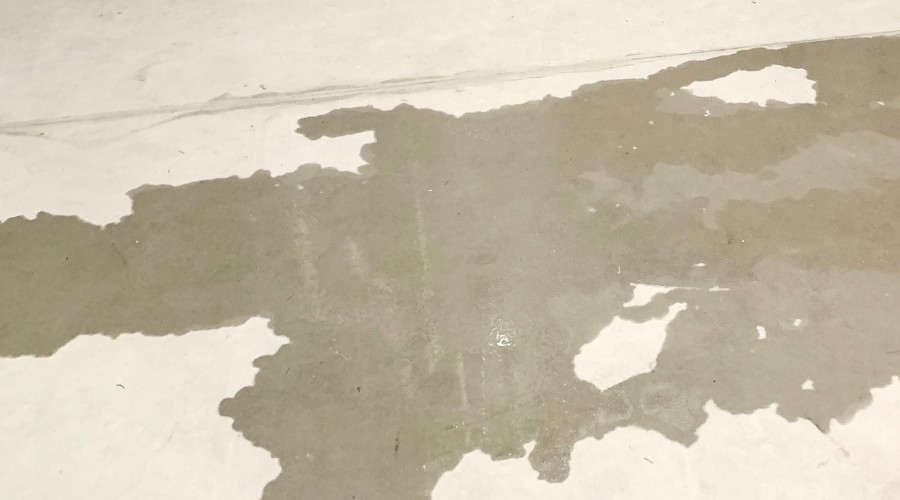
Slab Leak Basics Explained
The thought of slab leaks can be daunting, as this hidden problem can quietly cause significant water damage beneath a foundation. Knowledge is the best defense. This guide outlines what slab leaks are, early warning signs, and common causes. Explore the signs that should not be ignored to ensure timely slab leak detection and slab leak repair, and prevent escalating costs.
What Are Slab Leaks?
A slab leak is a serious plumbing failure that occurs when water or sewer lines beneath a concrete foundation crack, corrode, or rupture. These concealed breaks lead to more than wasted water; prolonged leaking can compromise structural materials and create costly damage throughout living spaces.
The effects often extend well beyond the foundation. Water can wick upward through concrete and subflooring, warping hardwood, loosening tile, and saturating carpets. As moisture travels into walls, conditions become ideal for mold growth, and indoor air quality can suffer.
What makes these concrete slab leaks challenging is their hidden location under several inches of concrete. Pinpointing the exact source usually requires specialized tools and professional slab leak detection methods. Because under-slab plumbing can leak for extended periods, signs such as a persistently high water bill or unexplained moisture are important clues that warrant prompt attention.
Signs of a Slab Leak
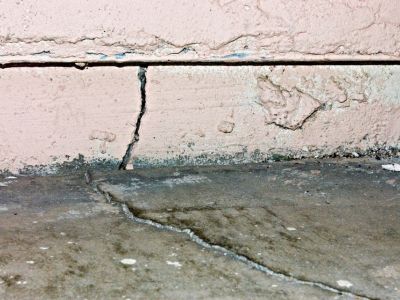 Spotting slab leak indicators early can prevent extensive water damage and costly repairs. Dark or damp spots on exposed slab areas or finished floors often signal a leak beneath the concrete. Foundation cracks may appear as water undermines structural integrity over time.
Indoor symptoms are also revealing. Warm areas on flooring—especially where no heating elements are present—can indicate a hot water line leaking below the surface. Damp carpet, buckled wood, or discolored sections of flooring frequently accompany these temperature changes and suggest hidden moisture.
Unexplained increases in the water bill are another key warning sign. A consistently high water bill, combined with musty odors, wall staining, or hairline cracks near plumbing fixtures, points to potential under-slab issues. At this stage, professional slab leak detection followed by targeted slab leak repair can help stop further deterioration and stabilize the structure.
Common Causes of a Slab Leak
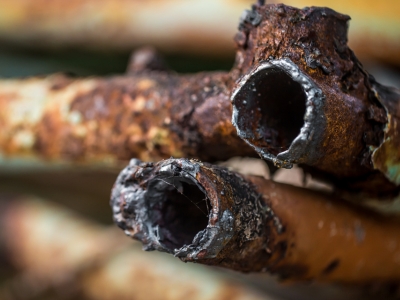 Slab leaks typically develop when buried pipes begin to fail due to age, material degradation, or environmental stress. Pipe corrosion is a frequent cause, particularly in older installations where metals can deteriorate from prolonged contact with minerals and water chemistry, eventually creating pinhole leaks.
Soil movement places additional strain on lines under the slab. Expansive or settling soils can shift with moisture changes, bending or separating pipes until cracks form. Over time, this movement can lead to multiple leaks across different areas of the foundation.
Water pressure concerns and installation issues also contribute. Excessive pressure can stress joints and fittings, while inadequate support or protective sleeves during construction may leave piping vulnerable. Fluctuating pressure inside the home can be a clue to underlying problems that, if ignored, may result in the need for slab leak repair to prevent further water damage.
About PlumbCrazy
PlumbCrazy is the go-to plumbing company for the communities of Abingdon and Bel Air. They provide top-notch customer service, including personalized solutions and individualized attention, so that customer satisfaction is guaranteed. Call them today to schedule slab leak repair services in Abingdon, MD.